Diastasis Recti Isn’t Just About the Gap: What I’m Actually Looking For
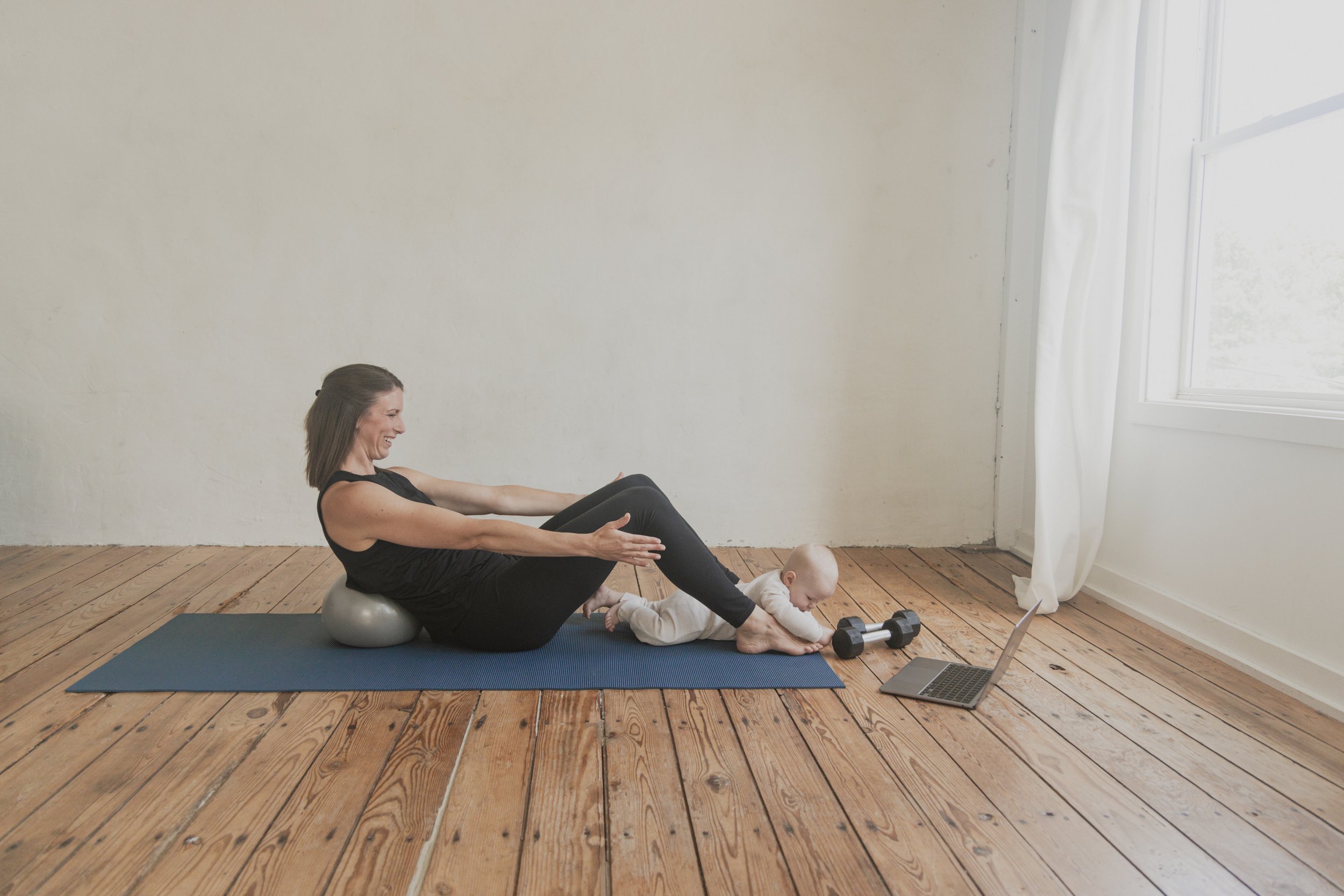
If you’ve been told you have diastasis recti, you’ve probably heard a lot about “closing the gap.”
You may have been told to avoid certain exercises, do more core work, or focus on bringing the abdominal muscles back together.
But when I work with someone with diastasis recti, I’m not just looking at the space between the abdominal muscles.
I’m looking at how the entire central system is functioning—the abdominal wall, rib cage, breathing mechanics, pelvic floor, and how these pieces coordinate together.
Because the goal of rehab isn’t simply to make a gap smaller. It’s to help you develop a central system that can manage pressure, create and maintain tension, move well, and get stronger as your demands increase.
So, Does the Size of the Gap Matter?
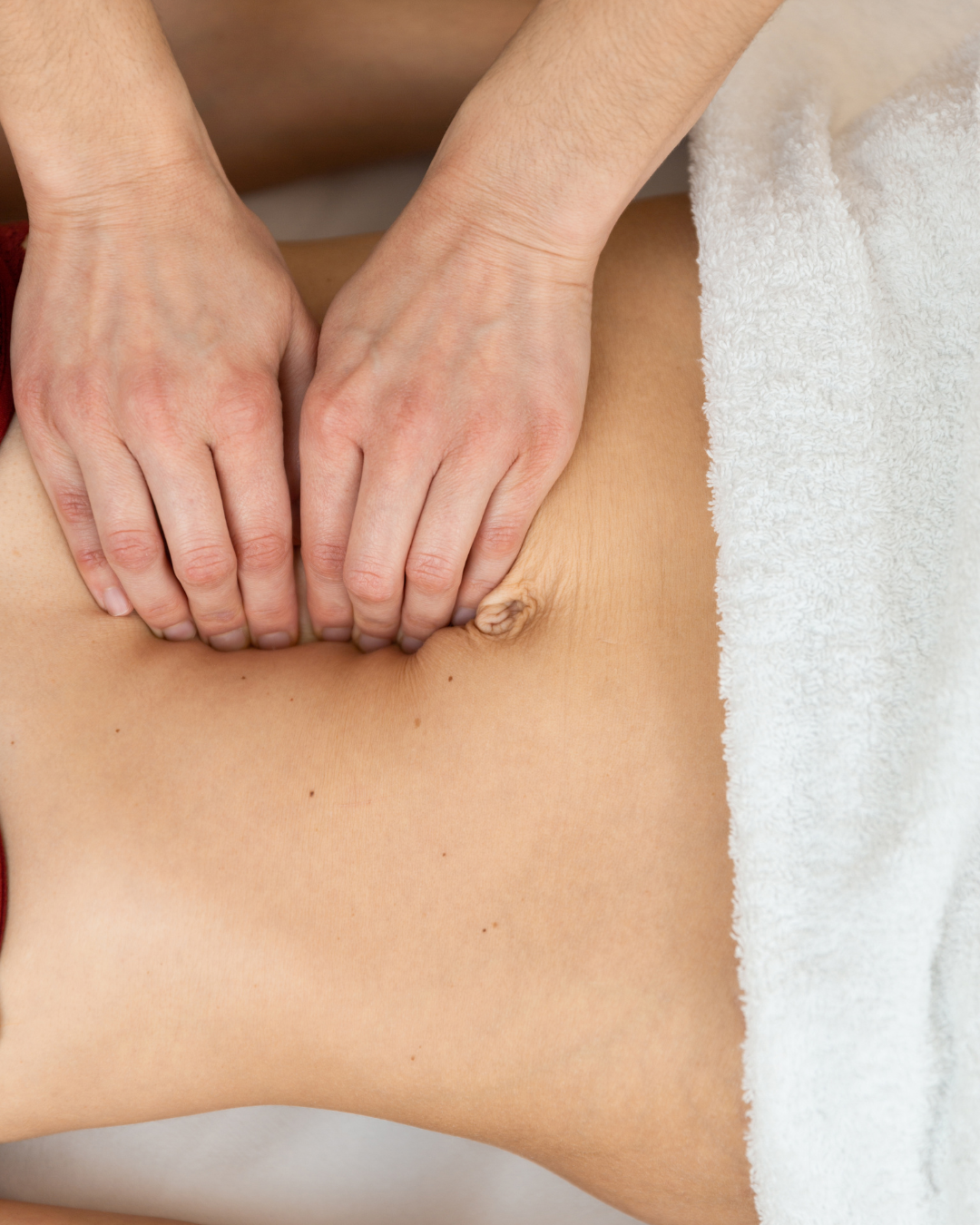
It can be one piece of the assessment, but it doesn’t tell me everything I need to know.
Two people can have a similar amount of separation and have completely different movement strategies, abdominal wall activity, rib mechanics, and ability to create tension through the linea alba.
(The linea alba is a band of connective tissue that runs vertically down the center of your abdomen, connecting the left and right sides of your abdominal wall.)
That’s why I don’t use the size of the gap alone to determine what exercises someone needs.
Instead, I want to understand how your abdominal wall is functioning.
What I’m Actually Assessing
Before prescribing exercises, I want to understand what your body is doing.
I look at:
How the abdominal wall changes with different movements
The tension and firmness of the linea alba
How you coordinate breathing with your abdominal muscles
How your ribs and upper back move
Whether certain areas of your abdominal wall are contributing more—or less—than others
I also pay close attention to how the different layers of your abdominal wall are contributing.
Your Core Has Layers
Your abdominal wall is made up of four primary muscular layers:
Rectus abdominis — the more superficial “six-pack” muscle that contributes to trunk flexion.
External oblique — helps control rotation, side bending, and movement of the ribs and trunk.
Internal oblique — works with the other abdominal muscles to control trunk and rib movement and contribute to abdominal wall tension.
Transversus abdominis — the deepest abdominal layer, contributing to abdominal wall tension and trunk control.
These muscles don’t necessarily contribute equally everywhere.
I’m looking at the upper and lower abdominal walls separately and asking:
Are the upper and lower abdominal walls coordinating?
How are they influencing rib movement?
How are they creating and managing tension through the linea alba?
Are certain muscles doing more than they need to?
This gives me a much more complete picture than simply measuring the gap.
This Is Where Treatment Becomes Individualized
This is also why two people with the same diagnosis may need very different starting points.
One person may rely heavily on the upper abdominal wall while the lower abdominal wall contributes very little.
Another may need better rib control and external oblique contribution.
Someone else may have excessive tension through the internal obliques and need to work on reducing unnecessary tension and improving rib mobility.
The goal is to understand what your abdominal wall is doing—and what it needs to do differently.
Sometimes that means improving mobility or coordination. Other times, it means building tension and progressively loading it.
Same diagnosis. Different starting points.
There Isn’t One “Best” Diastasis Recti Exercise
This is why I don’t believe there is one “best” exercise for diastasis recti.
The right exercise depends on what your body is actually doing.
We assess first. Then we decide where to start.
Because effective diastasis recti rehab isn’t about chasing a smaller gap.
It’s about building a stronger, more coordinated central system that can meet the demands you want to place on your body.
Ready to build your FOUNDATION?
Sign up for Foundations Fitness!
Where strength meets sustainability and pelvic health becomes part of the lifestyle.
Interested in 1 on 1 pelvic health therapy in Columbus, Ohio?
Schedule your free 15min phone consultation!

In health,
Emma Lengerich PT, DPT, OCS, CMTPT, PCES, Birth Doula
Orthopedic & Pelvic Health Physical Therapist & Birth Doula Instagram:@emma_pelvichealth Subscribe to my newsletter:Click Here!
Photography by:Morgan Whitney Photography