Stop Bracing Your Core All the Time—Here’s Why
If you’ve spent any time in the fitness world, you’ve probably heard this cue:
“Brace your core.”
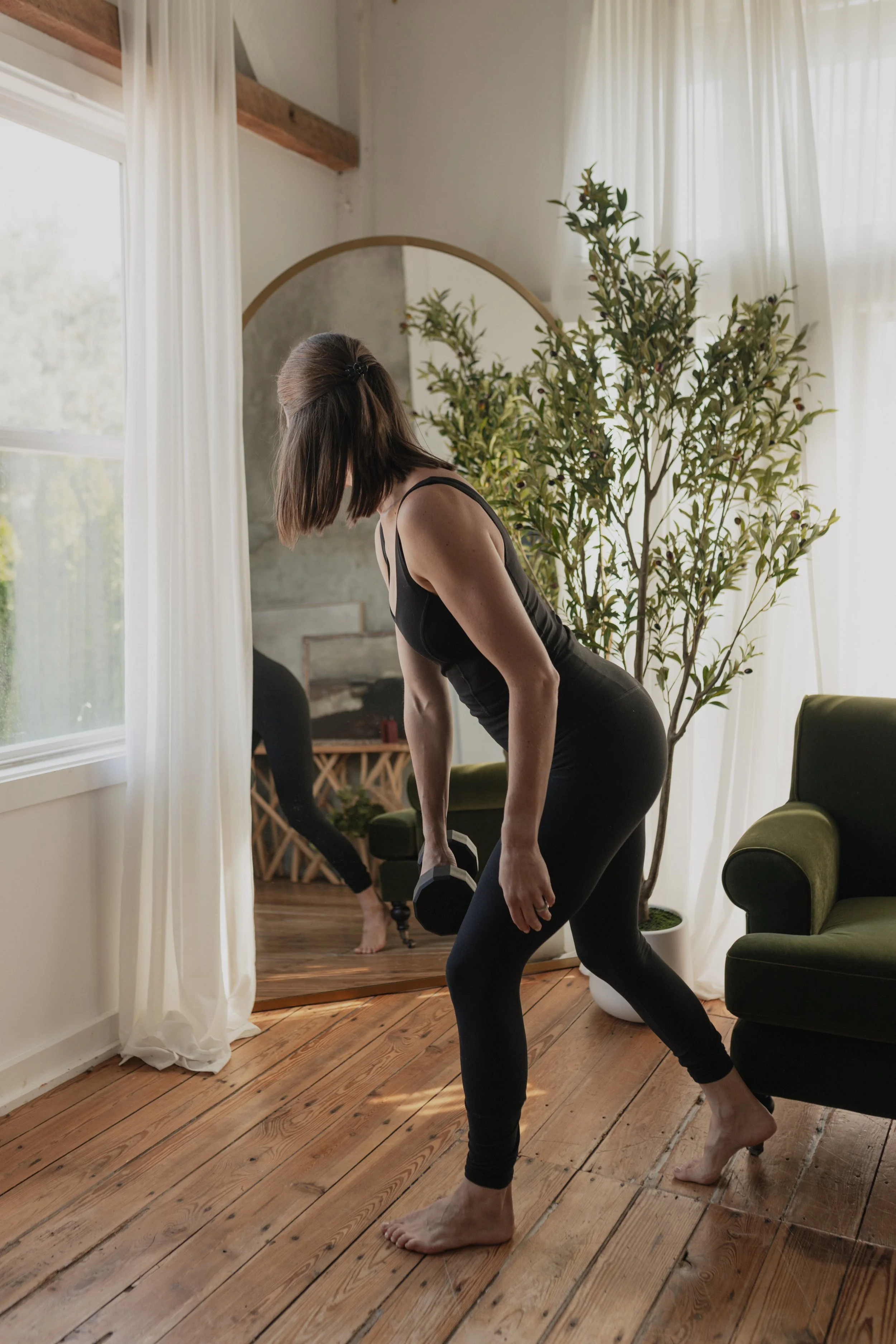
And not just occasionally—
With everything.
Lifting weights.
Picking up your kids.
Rolling over in bed.
Breathing. (Yes… even breathing.)
At some point, it turned into this unspoken rule:
Your core should always be on.
But here’s the problem—
Your body was never designed to function that way.
What “Bracing” Actually Means
Bracing isn’t inherently bad.
In fact, it’s a useful strategy when you need temporary stability or when you are trying to reconnect and retrain the reactivity of the central system.
SO - the issue isn’t bracing.
It’s living there.
Your Core Is Meant to Move—Not Just Hold
Your core (including your pelvic floor, diaphragm, and abdominal wall) is designed to be dynamic.
That means it should:
Expand and lengthen
Recoil and contract
Respond to movement and breath
When you’re constantly bracing, you override that natural system.
Instead of a responsive core, you get a rigid one.
What Happens When You’re Always Bracing
This is where I see things start to show up clinically.
When your default is “tighten everything,” you may notice:
A constant feeling of tension in your core or hip flexors
Difficulty taking a full breath
Pressure in your pelvic floor
Symptoms like leaking, heaviness, or discomfort
Neck, upper back, or hip tightness that doesn’t resolve
Because here’s the reality:
Your pelvic floor at core don’t just need strength—they need movement.
And constant bracing limits the ability to lengthen and respond to load.
Strength Isn’t the Problem—Rigidity Is
Let’s expand your options.
A well-functioning core can:
Create tension when needed
Let go of tension when needed
Coordinate with breath and movement
Strength + variability = resilience
Not just “tight all the time.”
What To Do Instead
Instead of asking:
“Am I bracing enough?”
Start asking:
“Can I move in and out of tension?”
A few simple shifts:
Let your breath move your ribcage (front, sides, and back)
Try this: Child’s Pose Breath to Back
Use bracing strategically, not constantly
Try tuning into the idea of the difference between tension and release with this: Side Lying Breathing + Core Connection
Let breath be what you pay attention to and not gripping.
Move in sync with your breath—exhale as you lift instead of locking down your core.
You don’t need to micromanage every movement.
But you do want to give your body access to both support and softness.
The Bottom Line
Bracing isn’t bad.
Over-bracing is.
Your body doesn’t need more rigidity.
It needs options.
Because real strength isn’t just about how much tension you can create—
It’s about how well you can adapt.
If you’ve been told to “tighten everything” with every movement and something still feels off—
That’s a sign your body might need a different strategy.

Know that if you are experiencing any of these symptoms, have questions/concerns about experiences, or are just curious about connecting to your pelvic floor and becoming more body literate
I offer 1:1 treatment session in Columbus, OH OR you are welcome to checkout Foundations Fitness, my web-based fitness membership - where strength meets sustainability and pelvic health education becomes part of the lifestyle.
Thanks so much for being here!
Until Next Time…
Your pelvic health is part of your whole health and deserves a seat at the wellness table.
With care,
Dr. Emma Lengerich
PT, DPT, OCS, CMTPT, PCES, Birth Doula
Pelvic Health & Orthopedic Physical Therapist Online Fitness Membership: Foundations Fitness Owner of Foundations PelvicPhysio, LLC