For a long time, I thought a “good workout” had to feel like I had nothing left at the end of it.
That belief shaped almost everything about how I trained.
I was a Division 1 athlete, and I carried that mindset straight into general fitness after college and then into the reality of a life that didn’t revolve around training anymore, motherhood.
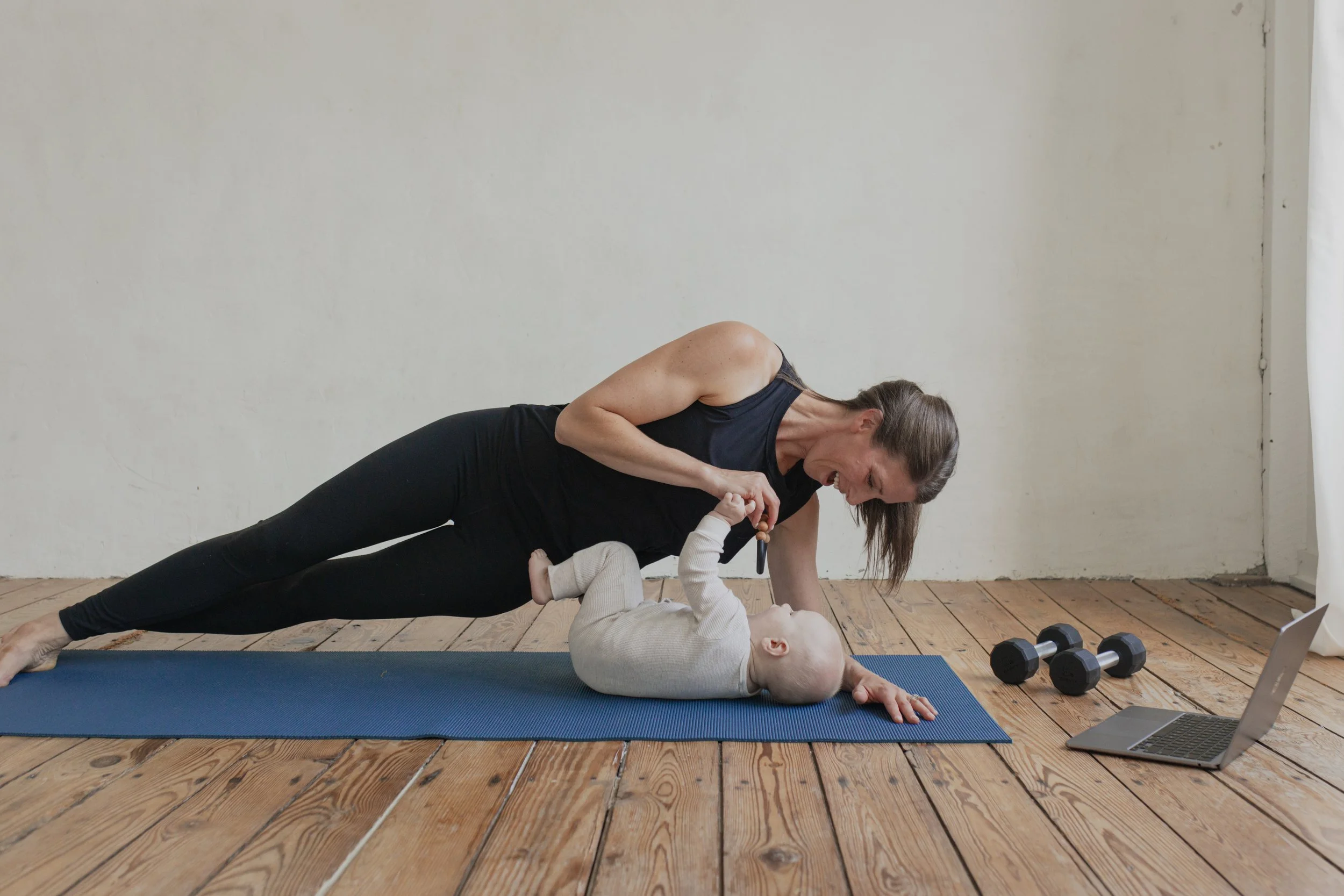
I would chase intensity, structure my workouts like I still had hours to recover, and measure success by how hard I pushed. I loved moving my body—but I couldn’t stay consistent with it.
Because I wasn’t living in a season where this type of training was sustainable - I was living in a season where I needed energy left over for my kids, my work, my life… and myself.
And no matter how much I liked the workouts I was doing, they didn’t meet me where I was. I’d finish a session feeling drained instead of supported. And over time, that made consistency feel impossible.
The myth we’ve been taught: exhaustion = effectiveness
There’s a deeply ingrained idea in fitness culture that if you’re not sore, tired, or wiped out after a workout, it didn’t “work.”
But fatigue is not the same thing as effectiveness.
And exhaustion is not a requirement for progress.
In fact, for many people—chasing fatigue can actually get in the way of the results they’re looking for. Because when your system is constantly pushed to its limit, consistency drops first, and consistency is what actually creates change.
What effective training actually looks like
Effective training is not about how much it takes out of you.
It’s about what it does for you over time.
It looks like:
movement you can repeat consistently, even on busy or low-energy days
exercises that challenge you without draining your entire system
a program that focuses on mobility to support your pelvic helath & overall health
strength that builds your capacity instead of depleting it
a nervous system that feels steady, not overwhelmed
This is especially important when we talk about core and pelvic floor health.
Because we’re not just training muscles—we’re managing pressure, coordination, and load in a system that has to work in real life.
If your workouts leave you depleted, your body doesn’t get the chance to learn how to coordinate under load over time—it just learns how to survive the session.
Feeling supported in your body during exercise
One of the biggest shifts I had to make personally was learning what it actually feels like to be supported during movement.
Not pushed past my limit.
Not punished for what I ate or didn’t do.
Not trying to “earn” rest.
But supported.
That changed everything.
Supported movement feels like:
you finish a workout and still have something left in the tank
your body feels worked, but not wrecked
you’re building strength without sacrificing the rest of your life
you can show up consistently, not sporadically
This matters so much in seasons where life is already full—postpartum recovery, early motherhood, injury rehab, or simply navigating a demanding schedule.
Why I built Foundations Fitness
I wanted a program that:
can be done at home or in a gym at your own time
doesn’t rely on exhaustion to be effective
supports pelvic floor and core function through intelligent strength work -
doesn’t just tell you to tighten your pelvic floor for every exercise
doesn’t just tell you to tighten your core for every exercise
is intentional about what muscles are being loaded
prioritizes consistency over intensity
and right when you start - it meets you EXACTLY where you are.
Foundations Fitness came from, honestly, all of my mistakes. I built the program I wish had existed for me—and I'd love to see if it's the right fit for you.
Thanks so much for being here!
Until Next Time…
Your pelvic health is part of your whole health and deserves a seat at the wellness table.
With care,
Dr. Emma Lengerich
PT, DPT, OCS, CMTPT, PCES, Birth Doula
Pelvic Health & Orthopedic Physical Therapist Online Fitness Membership: Foundations Fitness Owner of Foundations PelvicPhysio, LLC